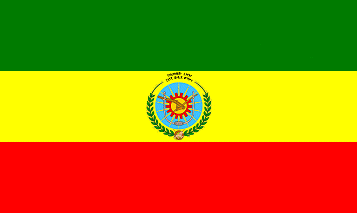
The flag’s tri-color (green, yellow and red) scheme has existed for several centuries. Generally, red represents blood spilled in defence of Ethiopia; yellow represents peace and harmony between Ethiopia’s various ethnic and religious groups; and green symbolize hope, or the land and its fertility. In 1897, a year after Ethiopia decisively defended itself from colonial Italy at the Battle of Adwa, the red, green and yellow were used for the flag of the Empire.
The royal flag often featured the emblem of a Lion of Judah, a crowned lion carrying a cross centred in the banner’s yellow mid-section. The flag is understood to be a link between the Ethiopian church, the peoples, and the nation that was united. The processional cross carried by the lion was the former “flag” or symbol of Ethiopia, and has been in use since at least the early 17th century, as well. Whilst red is currently featured at the bottom of the horizontal tricolour, this was reversed until the mid-19th century. Upon gaining independence from colonial rule, several newly-established countries in Africa adopted these three colours in homage to Ethiopia’s resistance against foreign occupation. When adopted by Pan-Africanist polities and organizations for their activities, the colours are often referred to as the Pan-African colors.